In today’s digital landscape, securing your personal information associated with 9853771159, 9852274072, 9844803533, and 9804026136 is imperative. By strengthening your passwords and implementing two-factor authentication, you can significantly reduce your risk of a breach. However, phishing scams are constantly evolving, making it essential to stay alert. What strategies can you adopt to ensure your software remains updated and your data stays protected? Let’s explore these critical aspects of cybersecurity further.
Strengthening Your Passwords
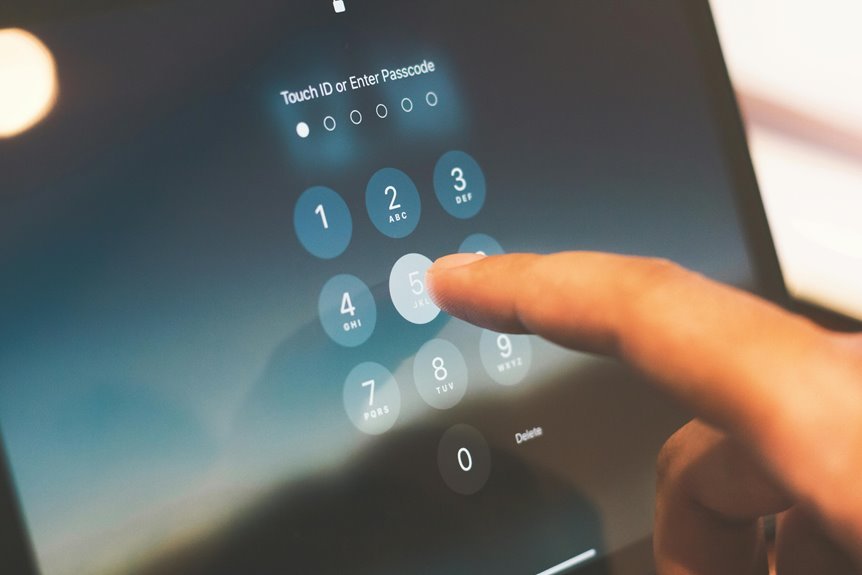
One of the most effective ways to bolster your online security is by strengthening your passwords.
Focus on password complexity by using a mix of uppercase letters, numbers, and symbols.
Password managers can help you generate and store these complex passwords securely, reducing the risk of reusing weak passwords.
This approach not only protects your accounts but also enhances your digital freedom.
Recognizing Phishing Scams
How can you tell if an email or message is a phishing attempt? Look for red flags like poor grammar, generic greetings, and urgent requests.
Always perform email verification before clicking on suspicious links. If the URL seems odd or doesn’t match the sender’s domain, don’t engage.
Staying vigilant helps protect your personal information and maintain your freedom online.
Utilizing Two-Factor Authentication
Why settle for just a password when you can bolster your security with two-factor authentication (2FA)?
By implementing biometric authentication, you add a robust layer of protection, ensuring only you can access your accounts.
Don’t forget to store your backup codes securely; they’re invaluable if you lose access to your primary authentication method.
Safeguarding your digital freedom starts with 2FA.
Keeping Software Updated
After enhancing your account security with two-factor authentication, the next step in fortifying your digital defenses is keeping your software updated.
Regularly install software patches to address vulnerabilities and utilize automatic updates to ensure you’re protected against emerging threats.
This proactive approach minimizes risks and empowers you to maintain control over your digital environment, safeguarding your freedom and privacy effectively.
Conclusion
In today’s digital landscape, safeguarding your personal information is paramount. By strengthening your passwords, recognizing phishing scams, utilizing two-factor authentication, and keeping your software updated, you can significantly reduce your risk of breaches. Remember, an ounce of prevention is worth a pound of cure. Stay proactive and vigilant in your cybersecurity practices to ensure your data remains secure. With these strategies in place, you’re setting yourself up for a safer online experience.