The EB-1A Green Card category is one of the most prestigious and misunderstood immigration pathways in the United States. Many professionals assume that the EB-1A is reserved only for Nobel Prize winners or world-famous researchers. In reality, USCIS evaluates whether an applicant has demonstrated sustained national or international acclaim and belongs among the small percentage at the top of their field.
However, one of the biggest mistakes applicants make is approaching the EB-1A as a “checklist game.” What they miss is that strategic optimization matters far more than randomly collecting achievements. The strongest EB-1A profiles are carefully aligned with the right criteria based on the applicant’s background and long-term positioning.
Understand that not all criteria are equal for every profession
USCIS provides ten regulatory criteria, and applicants generally need to satisfy at least three. This includes criteria like paper publications, judging, media, high remuneration and more.
However, not every criterion is equally practical or persuasive for every professional.
For example:
A software engineer may have strong evidence for judging, original contributions, a critical role, and a high salary.
A researcher may naturally fit publications, citations, peer review, and scholarly authorship.
A business executive may be stronger in leadership roles, media recognition, and industry awards.
An artist may rely more on exhibitions, media coverage, commercial success, and awards.
Hence, the essential key is to identify the criteria that fit your organic career trajectory instead of trying to force artificial evidence into multiple weak categories. Below are some ways you can strategically pick and choose from the criteria for your EB-1A profile.
Focus on building depth instead of chasing quantity
One of the most common reasons EB-1A petitions fail is that applicants attempt to satisfy many criteria superficially rather than develop strong evidence in a few meaningful areas. USCIS officers increasingly examine the quality and credibility of evidence, not just the number of exhibits submitted.
For example, having:
two strong national awards,
meaningful media coverage,
documented judging experience,
and measurable original contributions
could usually be more persuasive than weak evidence spread across seven categories.
Strategic optimization means selecting criteria where your achievements can demonstrate measurable impact and recognition.
Build around “Original Contributions” whenever possible
Among all EB-1A criteria, “original contributions of major significance” is often one of the most powerful. USCIS wants evidence that your work influenced your industry, research area, or broader professional ecosystem.
This criterion becomes much stronger when supported by:
patents,
implementation metrics,
citations,
revenue impact,
adoption by other organizations,
industry references,
or recommendation letters from independent experts.
Instead of merely saying you “worked on important projects,” demonstrate how your work changed outcomes.
For example:
Did your innovation reduce costs significantly?
Did your research influence other scholars?
Did your product scale to millions of users?
Did your strategy improve organizational performance measurably?
The more quantifiable the impact, the stronger your profile will be.
Develop a long-term judging profile
The judging criterion is often underestimated. USCIS considers judging as evidence that others in the field recognize your expertise.
Professionals can strategically strengthen this area by:
reviewing conference papers,
judging hackathons,
evaluating startup competitions,
reviewing journal submissions,
participating in award panels,
or mentoring recognized industry programs.
Importantly, the judging opportunities should appear legitimate and field-relevant. Random or low-quality judging activities may not carry significant weight.
Prioritize credible media recognition
Media coverage is another highly valuable criterion when properly executed. However, USCIS distinguishes between genuine recognition and self-promotional content.
Strong media evidence typically includes:
interviews,
industry features,
articles discussing your work,
podcast appearances,
conference highlights,
or coverage by recognized professional publications.
The focus should be on third-party validation. Articles written by you about yourself generally do not qualify under this criterion.
A strategic media plan over time can dramatically improve the overall strength of an EB-1A profile.
Create a cohesive narrative
Perhaps the most overlooked aspect of EB-1A optimization is storytelling.
USCIS officers are not domain experts in every industry. Your petition must clearly explain:
Why your work matters,
How your achievements compare to those of your peers,
Why your recognition is significant,
And how your career demonstrates sustained acclaim.
Many applicants technically satisfy three criteria but still struggle because the evidence lacks a coherent narrative.
Your profile should answer one central question:
“Why is this individual among the top professionals in the field?”
Every document, letter of recommendation, media article, and achievement should work together to reinforce that answer.
Avoid artificial profile building
In recent years, USCIS scrutiny has increased substantially, especially for low-quality checklist profiles. The EB1A experts frequently note that officers are becoming more sceptical of evidence created solely for immigration purposes. Instead of a checklist profile, you should always aim for an organic profile.
This means strategic optimization should focus on authentic career growth rather than shortcut tactics.
Organic accomplishments almost always carry more credibility than rushed profile-building activities.
In place of conclusion
Optimizing an EB-1A profile is not about collecting random credentials. It is about aligning your career achievements strategically with the criteria that best reflect your professional excellence. You should not aim to game the criteria, but use the criteria strategically to reflect your real professional achievements. This is exactly why you can consider green card consulting. A thorough consultancy service will mentor you to strategically select all the criteria so that your achievements speak volumes.
When it comes to building a strong EB-1A petition, few criteria are as powerful and misunderstood as the “leading or critical role” requirement. Many applicants assume these two terms are interchangeable. They are not.
In fact, misunderstanding the difference between a leading role and a critical role is one of the most common reasons applicants receive a Request for Evidence (RFE) or even face denial. Understanding this distinction and positioning your profile correctly is essential, whether you are filing on your own or working with the experienced EB-1A consultants. Let’s break it down clearly.
The foundation: What USCIS actually requires
Under EB-1A criteria, you must prove that you performed a leading or critical role for an organization with a distinguished reputation.
Notice one key detail here: You only need one,not both.
However, USCIS evaluates two things:
The reputation of the organization
The significance of your role within it
And this is where the distinction becomes crucial.
What is a leading role?
A leading role is about position and authority within an organization.
It usually means:
You hold a senior or high-ranking title
You manage teams, departments, or major projects
You make strategic decisions that influence direction
In simple terms, a leading role reflects your place in the organizational hierarchy.
Some examples of these roles include roles like director, vice president, head of engineering, or principal investigator. In such cases, USCIS expects evidence that you supervised others, directed operations, or had decision-making authority that shaped outcomes.
What is a critical role?
A critical role, on the other hand, is about the impact of it and not the title.
You may not manage a team or even have a senior designation, but your work is essential to the organization’s success.
It means:
Your expertise is indispensable
Key systems, products, or results depend on your work
The organization would struggle without your contribution
For example, a software engineer who builds a core platform, or a researcher whose innovation drives growth, can qualify under this category even without a so-called leadership title.
USCIS focuses on how important your contributions are, not what your job title says.
The real difference in simple terms
The distinction becomes clearer when you think of it this way:
A leading role shows that you are in charge of people or direction
A critical role shows that the organization relies heavily on your expertise
One is about authority, the other about indispensability.
Why this distinction matters
USCIS does not evaluate titles alone, but also takes into account the question of the substance.
A common mistake applicants make is assuming that a senior designation automatically qualifies them. But without evidence of real impact, even high-level titles can fall short.
Similarly, many professionals underestimate their chances because they are not in managerial roles, when in fact, their critical contributions may be far more compelling.
This is why some managers fail EB-1A, while individual contributors may have a better chance at succeeding.
The biggest mistake applicants make
One of the most frequent and costly mistakes is trying to claim both roles without a clear strategy.
Applicants often:
Blend leadership and contribution arguments
Provide mixed or unclear evidence
Fail to build a focused narrative
This can confuse the adjudicating officer and weaken the overall case.
A smarter approach here is to: identify your strongest category and build your petition around it. Without a doubt, clarity always wins over complexity.
How to prove a leading role
If you are claiming a leading role, your evidence should focus on authority and oversight.
Strong documentation includes:
Organizational charts showing your position
Details of team size and reporting structure
Proof of decision-making responsibilities
Letters confirming your leadership influence
Your goal is to demonstrate that you didn’t just hold a title—you actively led and directed.
How to Prove a Critical Role
If your strength lies in a critical role, your focus should be on impact and importance.
Effective evidence includes:
Key projects or systems you built or led technically
Metrics showing your contributions (growth, efficiency, revenue)
Proof that your expertise was essential
Letters explaining why your role was indispensable
Here, the emphasis is on answering one question: 👉 What would happen if you were not there?
The Hidden Insight: You Don’t Need to Be a Leader
Many professionals hesitate to apply for EB-1A because they are not “leaders.”
That’s a misconception.
The EB-1A clearly allows qualification through either a leading role or a critical role. In fact, many successful applicants—especially in technical fields like software engineering, data science, and research—qualify through critical roles.
The difference between a leading role and a critical role is subtle—but decisive.
A leading role proves you guide others. A critical role proves others depend on you.
Both can qualify—but only if:
The organization has a strong reputation
Your role is clearly defined
Your impact is convincingly demonstrated
In the EB-1A process, your job title alone won’t carry you. What matters is how effectively you prove your value.
That’s why working with experienced EB-1A experts, skilled EB-1A consultants, or a trusted EB-1A green card consultancy can help you identify the right positioning and present it strategically.
Because in the end, success in EB-1A isn’t about what you claim—it’s about how clearly you prove it.
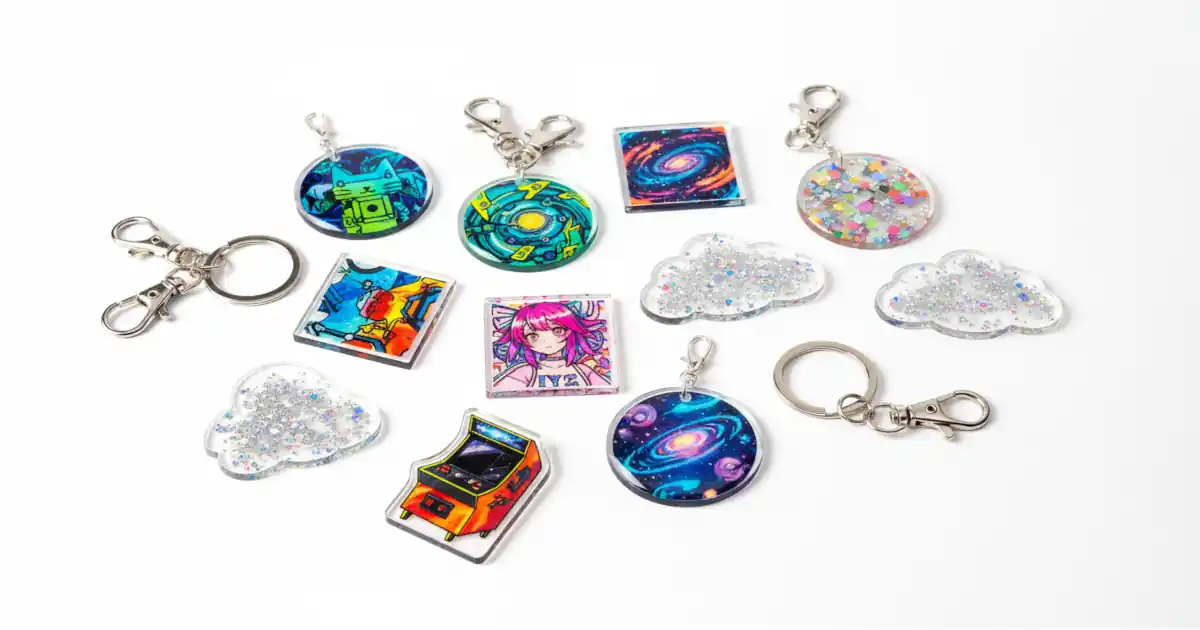
Custom keychains have become one of the most popular and versatile forms of merchandise, offering a perfect blend of creativity, functionality, and affordability. Among the various options available, clear acrylic keychains stand out due to their sleek look, durability, and ability to showcase vibrant designs. Whether you are an artist, business owner, or hobbyist, designing a high-quality acrylic keychain requires careful planning and attention to detail. In this guide, we’ll explore the best design tips to help you create eye-catching and professional acrylic keychains.
Why Clear Acrylic Keychains Are So Popular
Clear acrylic keychains have gained widespread popularity because of their transparency and modern aesthetic. The material allows designs to appear crisp and colorful, making them ideal for showcasing artwork, logos, and text.
Another advantage of an acrylic keychain is its durability. Acrylic is lightweight, water-resistant, and less prone to damage compared to other materials. These qualities make it suitable for everyday use while maintaining its visual appeal over time.
Keep Your Design Simple and Clean
One of the most important design principles for keychains is simplicity. Since keychains are small, overly complex designs can appear cluttered and difficult to understand.
Tips for Simplicity
Focus on one main element
Avoid excessive details
Use clear and bold shapes
A simple design ensures your acrylic keychain is easy to recognize and visually appealing, even from a distance.
Use High-Resolution Artwork
Quality matters when it comes to printing. Always use high-resolution images (at least 300 DPI) to ensure your design looks sharp and professional.
Low-quality images can result in blurry or pixelated prints, which can negatively impact the final product. A high-quality acrylic keychain starts with a high-quality design file.
Choose Bold and Vibrant Colors
Color plays a crucial role in making your keychain stand out. Clear acrylic enhances colors, so it’s important to choose shades that pop.
Color Tips
Use bright and contrasting colors
Avoid overly light or washed-out tones
Test your color palette before finalizing
A well-chosen color scheme can make your acrylic keychain more attractive and memorable.
Pay Attention to Line Thickness
Thin lines may look great on a screen, but they can be difficult to print on a small surface. To avoid issues, ensure your lines are thick enough to remain visible.
Recommended Guidelines
Minimum line thickness: 0.3–0.5 mm
Avoid overly intricate patterns
Proper line thickness ensures your acrylic keychain maintains clarity and detail after production.
Optimize for Size and Scale
Keychains are typically small, so it’s essential to design with scale in mind. Elements that look good on a large screen may not translate well to a small product.
Size Tips
Keep text large and readable
Avoid tiny details
Test your design at actual size
Designing with scale in mind ensures your acrylic keychain remains functional and visually appealing.
Use Transparency Creatively
One of the biggest advantages of clear acrylic is the ability to use transparency in your design. This can create unique and modern effects.
Creative Ideas
Leave parts of the design transparent
Use cut-out shapes
Combine printed and unprinted areas
Using transparency effectively can give your acrylic keychain a distinctive and professional look.
Choose the Right Shape
The shape of your keychain plays a significant role in its overall appeal. Custom shapes can make your design more interesting and memorable.
Shape Options
Standard shapes (circle, square)
Custom die-cut shapes based on your design
A unique shape can enhance the visual impact of your acrylic keychain and make it stand out from the competition.
Consider Double-Sided Printing
Double-sided printing allows you to maximize the use of space and add more creativity to your design.
Benefits
Display different designs on each side
Add extra information or branding
Enhance overall visual appeal
Using both sides effectively can make your acrylic keychain more versatile and engaging.
Add Special Finishes for Extra Appeal
Special finishes can elevate your design and make your keychain more eye-catching.
Popular Finishes
Epoxy coating for a glossy look
Holographic effects for a reflective finish
Glitter effects for added sparkle
Matte finishes for a subtle appearance
These enhancements can transform a simple acrylic keychain into a premium product.
Select the Right Attachment
While often overlooked, the attachment is an important part of the design. It affects both functionality and aesthetics.
Common Options
Standard key rings
Lobster clasps
Chains or hooks
Choosing the right attachment ensures your acrylic keychain is practical and easy to use.
Test Your Design Before Production
Before placing your order, always preview your design to ensure everything looks correct.
Checklist
Verify colors and alignment
Check text for errors
Confirm size and shape
Testing your design helps avoid costly mistakes and ensures your acrylic keychain turns out exactly as expected.
Avoid Common Design Mistakes
Even experienced designers can make mistakes. Here are some common issues to avoid:
Using low-resolution images
Overcrowding the design
Ignoring bleed and cut lines
Choosing colors that are too light
Forgetting to proofread text
Avoiding these pitfalls will help you create a high-quality acrylic keychain.
Design for Your Target Audience
Understanding your audience is key to creating a successful product. Consider their preferences, interests, and needs when designing your keychain.
Examples
Bright and playful designs for younger audiences
Minimalist and professional designs for businesses
Personalized designs for gifts
Designing with your audience in mind ensures your acrylic keychain resonates with them.
Experiment with Creative Ideas
Don’t be afraid to try new ideas and styles. Experimentation can lead to unique and innovative designs.
Inspiration Ideas
Character illustrations
Inspirational quotes
Seasonal themes
Abstract patterns
Exploring different concepts can help you create a standout acrylic keychain.
Conclusion
Designing custom clear acrylic keychains is both an art and a science. By following the best practices outlined in this guide—such as keeping designs simple, using high-resolution images, choosing bold colors, and experimenting with creative elements—you can create products that are both visually appealing and functional.
A well-designed acrylic keychain can serve as a powerful tool for personal expression, branding, or business growth. With attention to detail and a focus on quality, you can turn your ideas into stunning keychains that leave a lasting impression.
You use custom PR boxes to turn influencer mailers into planned, camera-ready unboxing moments that boost engagement and conversions. With Hola Custom Boxes, you can pair a hero product with a supporting SKU, then guide creators with a one-page brief, QR-coded media kit, and personal note. You choose premium materials, secure inserts, and on-brand finishes to make products feel exclusive and filmable. You set KPIs like unboxing rate, CTR, and sell-through—and you’ll see how to build and ship them flawlessly next.
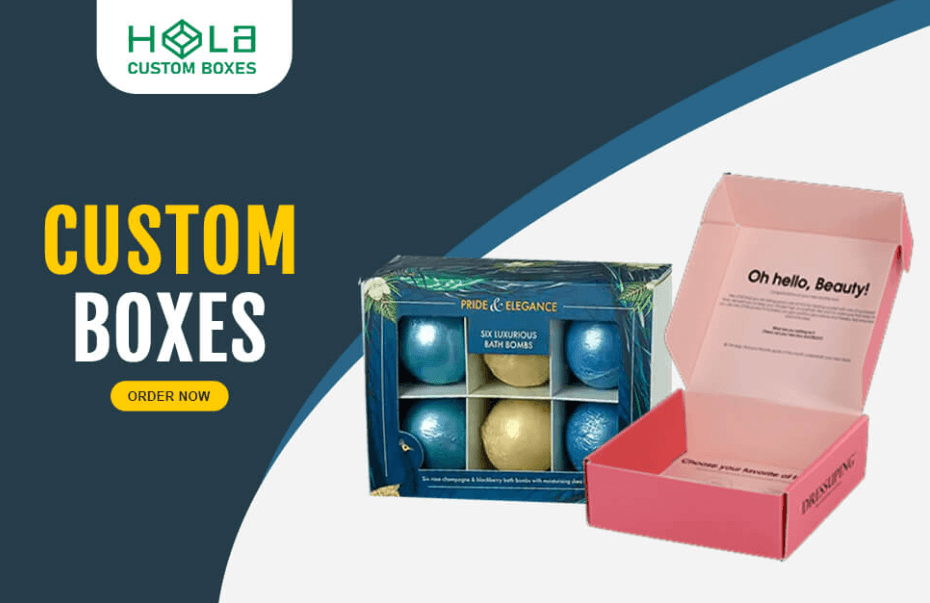
Brands planning influencer outreach often rely on custom PR boxes engineered to combine presentation, product protection, and campaign storytelling in one packaging format that is ready for both shipping and content creation.
Main Points
Custom PR boxes create a curated unboxing moment with premium packaging, tailored inserts, and intentional messaging for creators.
Define one main campaign goal and supporting outcomes, then track KPIs like unboxing rate, view-throughs, CTR, and engagement cost.
Include a hero product plus a supporting SKU to demonstrate results and make storytelling easier for influencers.
Add creator-ready inserts: one-page brief, key claims, QR code to a media kit, and a personalized note to boost authenticity.
Use durable, camera-ready materials and inserts, run shipping tests, and standardize packing quality checks to ensure perfect deliveries.
What Are Custom PR Boxes for Influencers?
Although influencer marketing moves fast, custom PR boxes give your campaign a tangible edge by turning a simple product send into a curated, brand-forward experience.
Custom PR boxes turn a fast product send into a tangible, curated experience that keeps your brand front and center.
You design these boxes specifically for creators, pairing your product with tailored packaging, inserts, and extras that align with your story and their content style. You are not shipping stock cartons; you are delivering a planned unboxing moment with premium materials, on-brand colors, and intentional messaging.
With Hola Custom Boxes, brands can structure these mailers around both presentation and shipping performance, ensuring the box works as a campaign asset rather than just a transport carton.
You can include QR codes, how-to cards, launch details, and personalized notes that guide what is inside without scripting the creator.
You choose sizes, compartments, and finishes—such as foil, embossing, or soft-touch lamination—to match your aesthetic. When executed properly, a custom PR box feels like a small brand world the influencer can explore and showcase authentically.
When you turn a product send into a designed unboxing experience, you do not just get delivery—you get attention, context, and content.
Custom PR boxes cue creators to film immediately because the packaging already looks camera-ready. First impressions are shaped through color, structure, and on-brand messaging that reads quickly on video and photography.
They also make sharing easier. Smart inserts guide the story, QR codes connect to tutorials or media kits, and compartments reveal products in deliberate beats that keep audiences watching. That supports saves, comments, reposts, and stronger viewer retention without forcing a rigid script.
Premium materials also signal value, which encourages creators to treat the package as a hero item rather than a casual product drop.
When the box feels exclusive, influencers naturally lean into scarcity and first-look excitement—the kind of reaction modern audiences reward with attention and engagement.
Set Goals and KPIs for Custom PR Boxes
Clarity is the multiplier. Before you design a single insert or choose a mailer format, define exactly what you want the custom PR box to do—spark unboxings, drive clicks, generate UGC for reuse, or increase demand at retail.
Clarity multiplies results: define what your PR box must do before you pick packaging, inserts, or mailer style.
Choose one primary goal and two supporting outcomes so your messaging, timing, and follow-up remain focused.
Then set KPIs that can actually be measured. Common examples include unboxing rate, calculated by posts divided by boxes delivered, along with view-throughs, saves, click-through rate, cost per engagement, affiliate or promo-code redemptions, and lift in branded search.
For retail-oriented campaigns, store locator clicks and regional sell-through can also provide useful signals.
Use previous campaign data as a benchmark, test packaging themes across different creator tiers, and review results at 7, 14, and 30 days so you can optimize quickly and scale what works.
What to Include in Influencer PR Boxes (and Why)
Once goals and KPIs are locked, the box should be built like a conversion funnel. Every element inside should make it easier for creators to film, explain, and share in a way that supports the outcome you want.
Start with the hero product, then add one supporting SKU that helps demonstrate results or usage more clearly.
Include a one-page creator brief covering key claims, do’s and don’ts, required tags, and preferred talking points. Keep it concise and easy to scan.
A QR code linking to a media kit with B-roll, campaign links, product background, and UGC examples can reduce prep time for influencers and improve consistency without restricting their voice.
A personal note explaining why that creator was selected can strengthen buy-in and make the brand outreach feel intentional.
Utility add-ons such as samples, refills, or a limited-time code can also help audiences take action faster while giving the brand a cleaner way to measure conversions.
Design Custom PR Boxes for Unboxing Content
Because unboxing is the content, the PR box should be designed like a set—one that creates clean reveals, immediate context, and natural pause-and-talk moments on camera.
Map the likely creator shot sequence: thumbnail, first open, hero product reveal, proof points, and final share prompt. Branding should stay readable at arm’s length, and the reveal sequence should feel obvious so creators do not have to rummage through the contents or lose momentum.
A single punchy line placed where it is seen first can reinforce the campaign message quickly.
Each layer should feel purposeful, with no dead space or filler that slows the experience.
Unboxing beat
What you design
On-camera payoff
First look
Bold front cue
Instant hook
Reveal
Ordered layers
Smooth pacing
Story
Quick context line
Clear narration
Finale
Share prompt
Saves + tags
This kind of structured reveal is where Hola Custom Boxes can help translate campaign planning into a box format that feels intuitive on camera while staying protected in transit.
Pick PR Box Materials, Inserts, and Finishes
Materials are the quiet flex—what creators feel, hear, and notice before they even get to the product.
Rigid setup boxes work well when you want premium weight and a slower, more cinematic reveal. Corrugated mailers are a strong choice for hype drops that need durability with a more contemporary streetwear-style edge. If sustainability is part of the campaign narrative, kraft or recycled board can support that message effectively when communicated on the packaging.
Inserts make the box film-ready. EVA foam or molded pulp can hold products securely, prevent movement, and stage the hero SKU front and center.
Additional compartments for cards, QR inserts, or samples let the influencer discover the box in deliberate beats.
Finishes shape the thumbnail and physical impression. Soft-touch lamination, spot UV logos, foil accents, and debossing catch light and signal premium value without overwhelming the design.
Brand Custom PR Boxes With Hola (MOQ, Lead Times, Dielines)
If you want creator-ready packaging without unnecessary back-and-forth, you can brand your custom PR boxes with Hola Custom Boxes by locking in the fundamentals early: MOQ, lead times, and dielines.
This keeps budget, production timing, and the unboxing direction aligned before creative decisions start expanding too far.
Start with an MOQ that matches your seeding list, then select a lead time that supports your launch date and expected creator posting window. Structured dielines help keep logo placement, panel layouts, and insert footprints accurate, allowing the design team to build once and approve efficiently.
Priority
What you lock in with Hola
MOQ
Right-size runs for tests or scale
Lead time
Calendar-safe production milestones
Once final artwork is placed on the dieline and proofs are approved, the packaging is ready to move into production cleanly.
Ship Custom PR Boxes Without Damage (Testing + Packing)
Even with premium print and a perfect dieline, a PR box fails the moment it arrives dented, crushed, or scuffed. Shipping durability has to be treated as part of the creative brief.
Protection should be built into the structure through thicker board, reinforced corners, snug inserts, and a shipper carton that leaves minimal movement.
Do not guess—test. Drop tests, compression tests, vibration tests, and temperature conditioning should all be considered, especially for cosmetics, candles, glass, or liquid-filled items.
Pilot shipments to a few ZIP codes can reveal issues before a full rollout. Fragile items can be sleeved, held with custom-fit foam or molded pulp, and secured with tamper-evident seals that are still easy for influencers to open on camera.
Open-here pull tabs can also help prevent creators from damaging the branded surface with knives.
Finally, standardize packing SOPs and QC checklists so every influencer receives the same camera-ready experience.
Every time.
Frequently Asked Questions
Do Influencers Need to Disclose PR Gifts, and What Wording Is Required?
Yes, PR gifts generally need to be disclosed when they create a material connection that may influence content.
The disclosure should be clear and easy to notice, not hidden among hashtags. Common wording includes “Gifted,” “PR package,” or “Thanks to [Brand] for the free product.” If payment or posting obligations are involved, stronger labels such as “Ad” or platform partnership tools may be required.
Captions and on-screen video disclosures should both be handled clearly.
Who Owns Unboxing Photos and Videos After an Influencer Campaign Ends?
You do not automatically own influencer-created unboxing content unless the agreement specifically grants those rights.
In most cases, the influencer or creator retains copyright, while the brand may receive a limited usage license. Usage scope, platforms, paid ad rights, duration, editing rights, exclusivity, and reposting permissions should all be agreed to in writing.
That prevents confusion or takedowns later.
How Do You Handle Returns or Product Liability for Gifted PR Items?
Returns and liability should be addressed through a clear campaign policy from the start.
Many brands use a no-returns policy for gifted items while still offering replacements for products that arrive damaged. Product liability should be supported by compliant labeling, safety testing, documented QA, insurance, and reliable supplier contracts.
Simple usage instructions and issue-reporting procedures inside the PR kit can also reduce risk.
Can PR Boxes Include Alcohol, Cosmetics, or Batteries for International Shipping?
Yes, but these product categories require stricter shipping compliance.
Alcohol may require licensed carriers, permits, age verification, and destination-specific approval. Cosmetics must meet ingredient and packaging rules for the destination country, and batteries—especially lithium—must be classified and shipped under applicable hazardous goods requirements.
International shipments involving these products should always be pre-cleared with the appropriate logistics partner or customs specialist.
What’s the Best Way to Track Influencer Attribution Without Discount Codes?
Influencer attribution can be tracked effectively without discount codes by using unique trackable links and platform-specific analytics.
Each creator can receive a UTM-tagged landing page or custom URL, with results measured in GA4 or ecommerce analytics. Influencer-specific QR codes inside the PR box can also help connect offline unboxing moments to online traffic and conversions.
Post-purchase survey data can further validate attribution and fill in tracking gaps.
Final Thoughts
When custom PR boxes are treated as a campaign asset rather than just packaging, they can produce stronger influencer content and more measurable performance. The key is to set clear goals, build a box that tells one focused story, and include only the elements that improve the unboxing experience and support your KPIs.
With Hola Custom Boxes, brands can combine premium materials, structured inserts, accurate dielines, and practical lead times to create influencer mailers that look polished, ship safely, and arrive ready for content creation.
By locking the strategy, structure, and packing workflow early, Hola Custom Boxes helps brands deliver custom PR packaging that supports engagement, content quality, and campaign consistency from the first delivery to the final post.