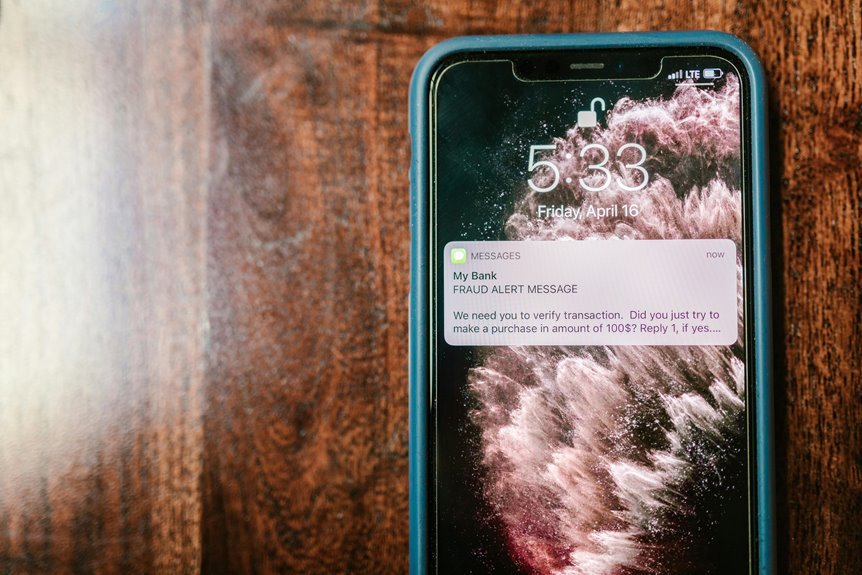
In a world where digital communication offers convenience, it’s alarming how easily it can become a tool for fraud. The recent alerts surrounding phone numbers 9202806032, 9202804671, 9199147004, and 9197257907 highlight the need for vigilance. As scams become increasingly sophisticated, understanding how fraudsters operate is essential. What tactics do they use, and how can you protect yourself from becoming their next victim?
Overview of the Fraudulent Numbers
In recent years, the surge in digital fraud has alarmed both individuals and organizations, prompting a closer examination of fraudulent numbers.
You need to understand how these numbers often utilize deceptive tactics that undermine trust.
Implementing robust phone number verification processes can help you identify and block these threats, safeguarding your freedom and financial security from those who exploit vulnerabilities for personal gain.
Common Tactics Used by Fraudsters
While many may not realize it, fraudsters employ a variety of cunning tactics to exploit unsuspecting victims.
Social engineering manipulates your emotions, making you more susceptible to scams. Often, they launch phishing attacks through emails or messages, tricking you into revealing personal information.
Stay vigilant and educate yourself on these tactics to safeguard your freedom and financial security against these deceptive schemes.
Real-Life Victim Stories
Experiencing digital fraud can be a harrowing reality, as many victims discover when they find themselves entangled in schemes that compromise their personal and financial security.
Victim experiences reveal profound emotional impacts, from anxiety to distrust.
Understanding these stories is crucial; it highlights the importance of vigilance and resilience.
Tips for Protecting Yourself From Scams
Digital fraud can leave emotional scars, but there are practical steps you can take to protect yourself from scams.
Prioritize scam awareness by educating yourself on common tactics used by fraudsters. Ensure your online safety by using strong passwords, enabling two-factor authentication, and regularly monitoring your accounts.
Trust your instincts; if something feels off, investigate further before engaging. Your freedom depends on vigilance.
Conclusion
In a world where trust can be as fragile as glass, staying alert is your best armor against fraud. By recognizing the tactics of these digital tricksters and sharing your knowledge, you can create a fortress around your personal information. Remember, vigilance is your shield, and awareness is your sword. Don’t let these numbers shatter your peace; instead, rise above the noise, protect yourself, and turn the tide in your favor against the shadowy realm of digital deceit.